
What Makes Cheese Sharp vs. Mild?
What makes cheese sharp or mild? Learn how aging, moisture, and milk type affect flavor, texture, and when to use each cheese.
CHEESE COMPARISONS
Ryan Hagen
1/22/20263 min read
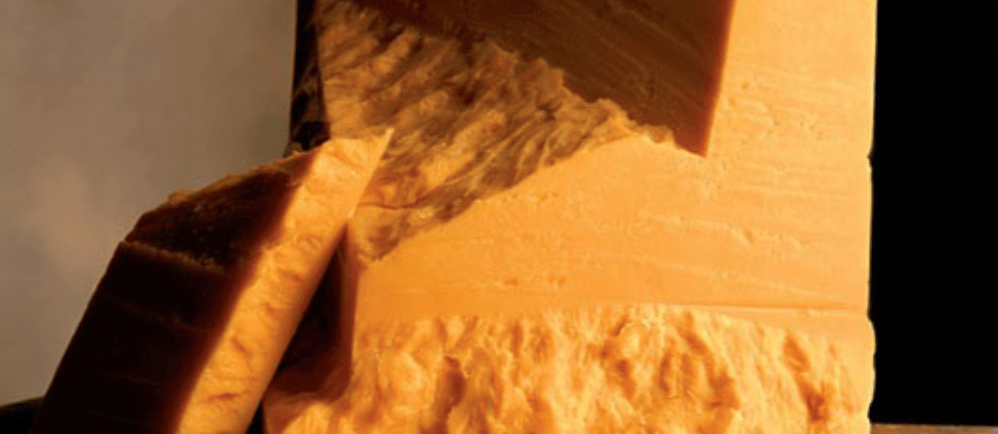
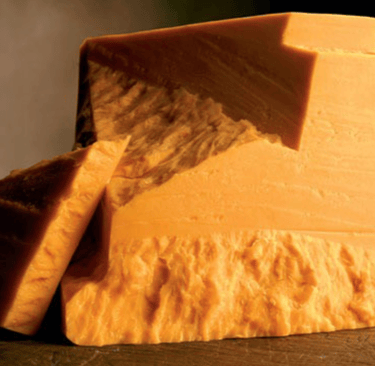
If you’ve ever wondered why some cheeses taste bold and tangy while others are smooth and buttery, you’re not alone. The difference between sharp cheese and mild cheese isn’t random; it’s the result of aging, chemistry, and how the cheese is made.
Understanding what makes cheese sharp vs. mild helps you:
Choose the right cheese for cooking
Build better cheese boards
Avoid overpowering (or underwhelming) flavors
Understand labels like mild, medium, sharp, and extra sharp
Let’s break it down simply.
The short answer:
Sharpness in cheese comes from aging and breakdown.
Mildness comes from freshness and limited aging.
As cheese ages, proteins and fats slowly break down into smaller compounds that create stronger flavors, tanginess, and bite. The longer this process continues, the sharper the cheese becomes.
Aging is the biggest factor
When cheese ages, enzymes break down:
Proteins into amino acids
Fats into fatty acids
These changes create:
Tang
Bite
Complexity
A lingering, sometimes sharp finish
The longer the aging process, the more intense these flavors become.
Real-world aging examples
Mild cheddar: aged about 2–3 months
Sharp cheddar: aged about 6–9 months
Extra sharp cheddar: aged 12–24+ months
This is why cheddar is often used as the clearest example of sharp vs. mild.
Protein breakdown creates a sharp flavor
One of the main contributors to sharpness is protein breakdown, also known as proteolysis.
As proteins break down:
Flavors intensify
Texture becomes crumbly or crystalline
Savory, tangy notes develop
This is why sharp cheeses often:
Taste more complex
Feel drier or more crumbly
Leave a lingering flavor after swallowing
Mild cheeses haven’t aged long enough for this process to take hold.
Acid development adds tanginess
Sharp cheeses tend to have higher perceived acidity, even if the actual pH difference is small.
During aging:
Lactic acid becomes more concentrated
Flavor compounds intensify
This creates the zingy, tangy sensation people describe as sharp.
Mild cheeses still contain lactic acid — it just hasn’t concentrated enough to dominate the flavor.
Fat breakdown increases flavor intensity
As cheese ages, fats break down into free fatty acids, which:
Intensify aroma
Add depth and richness
Contribute to sharpness and bite
This is why sharp cheeses often smell stronger and taste fuller, even in small portions.
Moisture content plays a role
Mild cheeses
Higher moisture
Softer texture
More diluted flavor
Sharp cheeses
Lower moisture
Firmer or crumbly texture
More concentrated flavor
As moisture slowly evaporates during aging, flavors become more intense.
Not all cheeses use the word “sharp” the same way
The term sharp is most commonly used with cheddar, but the concept applies more broadly.
Cheeses often described as sharp
Aged cheddar
Aged gouda
Aged provolone
Cheeses that are strong but not sharp
Blue cheese (funky rather than tangy)
Washed-rind cheeses (pungent, not sharp)
Fresh cheeses (almost always mild)
Sharpness usually refers to aging-related tang, not just strength.
Milk type influences sharpness
The type of milk used affects how sharp a cheese can become.
Cow’s milk
Clean, lactic tang when aged
Most common source of “sharp” flavor
Goat’s milk
Naturally tangier
Can taste sharp even when young
Sheep’s milk
Higher fat content
Richer, rounder sharpness when aged
This is why a young goat cheese may taste sharper than a mild cow’s milk cheddar.
Sharp vs. mild cheese in cooking
Knowing when to use sharp or mild cheese makes a big difference in the kitchen.
When to use mild cheese
Grilled cheese sandwiches
Mac and cheese
Melting and saucy dishes
Kid-friendly meals
When to use sharp cheese
Cheese boards
Adding flavor without extra bulk
Finishing dishes
Sharp cheese delivers more flavor with less quantity.
Texture clues can reveal sharpness
You can often spot a sharp cheese just by looking at it.
Signs of a sharper cheese
Crumbly or brittle texture
Visible crystals
Drier appearance
Signs of a milder cheese
Smooth, elastic texture
Uniform surface
Higher moisture content
These cues are especially helpful at cheese counters.
Sharp doesn’t mean better
A common myth is that sharp cheese is “better” cheese.
In reality:
Mild cheese offers comfort and balance
Sharp cheese offers intensity and complexity
Both are valuable depending on:
Personal taste
Intended use
Pairings
Final takeaway
Cheese becomes sharp because time allows enzymes to transform it. Aging concentrates flavor, breaks down proteins and fats, and creates the tangy bite associated with sharp cheese.
Mild cheese highlights freshness, moisture, and balance.
Neither is better — they’re simply designed for different moments.
Cheese Soul
Explore the world of cheese and lifestyle.
© 2025. All rights reserved.